 We probably don’t have to tell you how integral to the functionality of your home your plumbing system is. Still though, even though you know this, you probably don’t think about this home component very much—that is, until something goes wrong. The fact of the matter is, things like leaks, clogs, and other plumbing issues very rarely happen at a “convenient” time, and when they do occur you may very well need the assistance of a professional Kenilworth emergency plumber.
But how do you know what constitutes a plumbing emergency? When does a problem need to be addressed right away and when can it wait? This, of course, is dependent on your specific situation. For instance, if you have a drip coming from a faucet in the home, you’re not going to be concerned, but if water is gushing out of a burst pipe on your kitchen floor, then you have an entirely different scenario on your hands. So, what do you do?
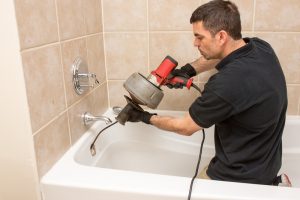 Drain clogs. They’re one of those unfortunate parts of being a homeowner, no matter where you live.
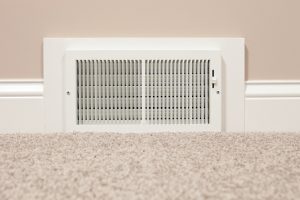 The official start of summer is here in just a few short days, making now the best time to arrange for your cooling system’s annual
  It may take longer to warm up in our part of the country, but when summer does finally grant us with soaring temperatures, you’ll be grateful for effective and efficient
 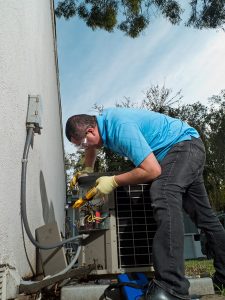 Weird things can happen that cause your air conditioner to fail. We aren’t talking about anything too bizarre, but they can definitely be unexpected for homeowners who aren’t too familiar with HVAC equipment or how their air conditioners operate.
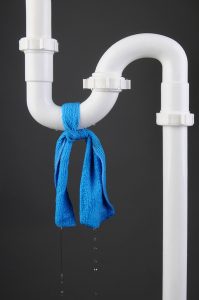 When you have a major plumbing problem, you need help fast. Most plumbing issues come as a surprise, and chances are you don’t want to spend a lot of money to manage this one. Fortunately, you know someone who knows someone who is a handyman! They can do things like fix loose mounts, hang shelves, and unclog a sink with a plunger. He doesn’t have any formal training, but that’s okay, right?
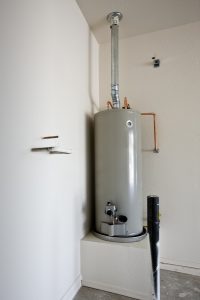 No matter what season it is or temperatures are outside, there is one heating system you’ll always need to function at full capacity—your water heater. It’s easy to take this home component for granted, and blindly trust that you’ll have hot water from the taps whenever you need it.
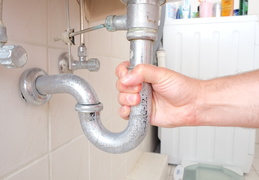 Drain clogs and blockages are an unfortunate part of modern living, one that we all have to deal with at one time or another. However, clogs are also one of those things that homeowners deal with incorrectly. When a blockage develops in the average home, most people go out and get some store-bought drain cleaning liquid to manage the issue. This is actually a terrible way to deal with it!
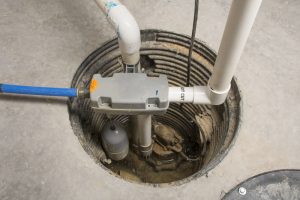 Your sump pump is one of the most important components there is when it comes to your plumbing system. It helps prevent water damage from flooding, and goes to work automatically as excess water gathers in the sump (a pit). Then, that water is pumped out either into the municipal wastewater supply or a well.
 We could all use a bit of extra spending money, but those monthly bills get in the way. Often, homeowners are paying a lot more than they have to on home necessities without realizing it. Some small changes to the way you use and maintain your heating system can help it to run more smoothly and reduce your monthly spending on energy and fuel costs.