
 Choosing the latest and greatest technology when it comes to something like a cell phone or a smart TV is a matter of convenience and, let’s admit it, fun. You picked out that smartphone with the high megapixel camera because you love showing off your awesome photos, or you got that new TV to watch the big game in a way you never have before.
However, when it comes time to pick out a new furnace, you might not be so excited to go for the latest and greatest technology. After all, you won’t be looking at the furnace, and heat is heat, right? We certainly don’t think so. While it may not be as flashy as some of the other technology in a home, a new furnace with the latest features can certainly help you feel more comfortable and save money. It’s worth it!
 We could all use a bit of extra spending money, but those monthly bills get in the way. Often, homeowners are paying a lot more than they have to on home necessities without realizing it. Some small changes to the way you use and maintain your heating system can help it to run more smoothly and reduce your monthly spending on energy and fuel costs.
 It’s certainly not a fun topic to address. But the more time you spend on preventing repairs for an essential item like a toilet, or addressing them the right way, the less you’ll have to worry about them. It’s so frustrating when something you use and need every day, like a toilet, is out of order or difficult to use properly. We want to help.
 Your heater has started to act strangely, making weird noises or having trouble at startup, but you’re not sure you should get it serviced just yet. You don’t want to spend money fixing a heater that is still working, after all, and you feel you might as well wait and see what happens. But this logic is flawed: your heating system won’t fix itself!
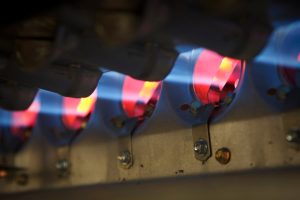 When you’re shopping around for a new furnace, you might start to develop a new vocabulary. There’s the AFUE—Annual Fuel Utilization Efficiency—that helps you determine the efficiency of your new system. And another set of terms you may see used often are as follows: “one-stage,” “two-stage,” and “modulating” furnace.
 A
A 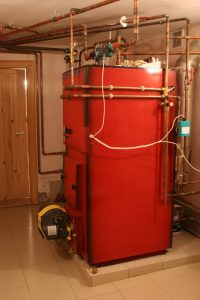 In general, we don’t recommend that you attempt to troubleshoot a boiler on your own, and certainly don’t believe the average homeowner should attempt to make repairs to a hot water boiler. This could be dangerous, and time-consuming when you don’t know what to look for. Technicians with the proper training can come to your home and make a quick assessment with all the tools they need to do so.
 Heating systems have improved in many ways since we first became a company in 1912. The most noticeable and needed improvement has been in terms of safety. Today’s heating systems don’t even require you to keep a pilot light lit. They can ignite themselves with electronic ignition systems, and only when the thermostat calls for heat.
 Some of the major investments you own are things you take every opportunity to protect. Your car, for example, hopefully receives regular oil changes and tire rotations. Your computer likely has antivirus protection installed. And you may use surge protectors to reduce the possibility of power surges that can slowly wear out your electronics.