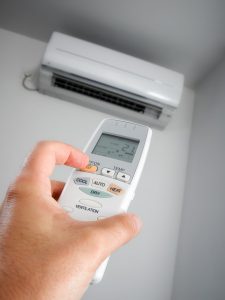
 If you’re in the market for a new air conditioner this coming summer—or if you’ve decided to finally replace that furnace system that gave you trouble all winter long—you probably want something that will offer you efficiency and affordability, right? Well, do we have a suggestion for you! For year-round comfort, we recommend the ductless system—among the most efficient of all residential HVAC options.
You may have seen us mention the benefits of ductless cooling and heating before on our blog. What we really want to talk about here is the economic benefits of going ductless. The truth is, we could go on all day about how efficient ductless systems are, but we also want to let you know why they’re so efficient, and what that efficiency means for your wallet.
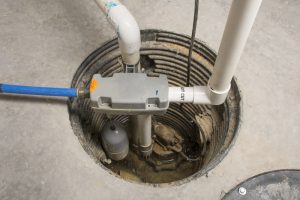 Sump pumps are a staple device in many homes across the country, but especially in our area. They help prevent water damage due to flowing from storms and plumbing mishaps, and go to work automatically, as they gather excess water in a pit (the sump) and then pump it out into either the wastewater system or a well.
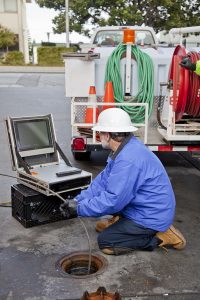 Let’s talk about your sewer lines. This is one of the most important parts of modern plumbing, and yet not a lot of homeowners think about it very much. We wouldn’t really expect you to, to be honest. However, never thinking about your sewer lines put you at risk of problems you may never think about either.
 Are you worried about your heater breaking down? Perhaps it’s aging, and you’ve noticed a few distressing signs. It’s important to know the signs that something is amiss with your heating system, so you’re not all of the sudden stuck with a completely broken down system when you need it the most.
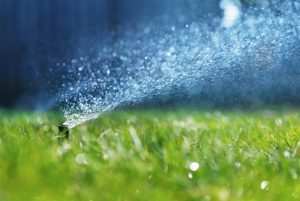 Springtime is officially here. It may still be cool for now, but soon enough, you’ll want to prep your home for warmer temps, spring allergies, and springtime weather.
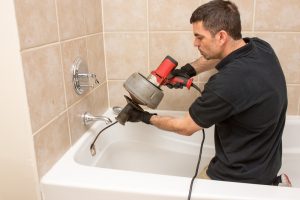 Drain clogs are one of those unfortunate things that just about every homeowner has to deal with at some point. But they are also one of those drain issues that most people deal with incorrectly. When a drain clog forms in the average home, it is instinct to reach for some type of store-bought drain cleaning solution to manage the problem. This is actually not a great way to deal with it, which we’ll get into more below.
  We’d venture to guess that as a homeowner in New Jersey, you’d like to whatever you can in order to save money on your energy bills. And there is one appliance in particular that contributes heavily to these bills—your heating system.
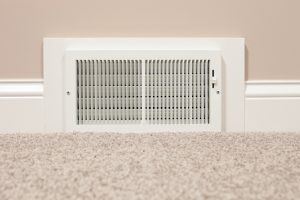 With nighttime temperatures traditionally hovering no higher than 39° at least through April, the short answer to this question is, “no.” If you do suspect or know that you have heating repair needs, you may be tempted to use your heater less and less, and be ready to just shut it off when the heating season ends so you don’t have to deal with it, but this can be a mistake.
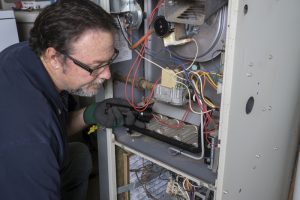 When you are shopping for a new HVAC system, whether it is an air conditioner or heater, you may come across some terminology you don’t recognize. One term that’s becoming a little more common, is “two-stage.” You will typically see this used in the description of high-efficiency air conditioners and furnaces.
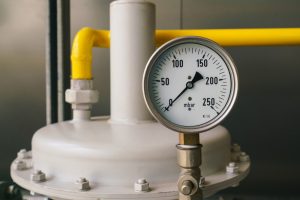 There may have been some point during your homeownership when you were told that your boiler is being impacted by scaling. Maybe you’re unsure of whether to take this problem seriously or not. We’re here to tell you that yes, you should. Scaling in boilers is actually really common, and also really serious. It’s caused by high levels of minerals in the water—namely, calcium and magnesium—that get left behind in the boiler tank and tubes. This can lead to a reduction in heat as well as a loud banging noise in some instances.