 Winters are harsh in our area. Or, at least they can be without an effective and efficiency furnace in place. And yours is about to be put under a lot of stress. The strain our furnaces go through during the coldest part of the year increases the chances of problems cropping up over time, which is why you should be particularly vigilant for signs that it is struggling and in need of furnace repair in Union, NJ.
Early detection of heater problems means prompt repairs and better damage prevention. Take a look below at the top 3 signs that something is amiss with your system, and be sure to give us a call right away once you do.
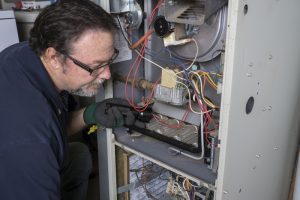 Temperatures aren’t quite cold enough to start using a furnace on a daily basis just yet, but you may have already tried turning yours on to discover it wouldn’t start at all. With cooler weather right around the corner, this is certainly not a problem you want to have to face, and certainly not one you can sit around waiting to have repaired.
 It may seem odd that we’re already talking about heaters. But think about it—sure it may be hot this week, but cold weather is right around the corner. As such, you’ll be relying on your furnace very heavily, and sooner than you may really realize.
 We could all use a bit of extra spending money, but those monthly bills get in the way. Often, homeowners are paying a lot more than they have to on home necessities without realizing it. Some small changes to the way you use and maintain your heating system can help it to run more smoothly and reduce your monthly spending on energy and fuel costs.
 Your heater has started to act strangely, making weird noises or having trouble at startup, but you’re not sure you should get it serviced just yet. You don’t want to spend money fixing a heater that is still working, after all, and you feel you might as well wait and see what happens. But this logic is flawed: your heating system won’t fix itself!
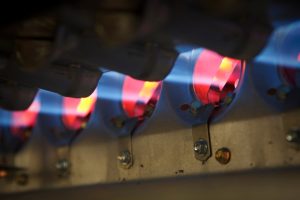 When you’re shopping around for a new furnace, you might start to develop a new vocabulary. There’s the AFUE—Annual Fuel Utilization Efficiency—that helps you determine the efficiency of your new system. And another set of terms you may see used often are as follows: “one-stage,” “two-stage,” and “modulating” furnace.
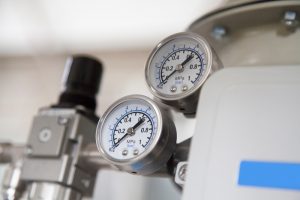 The boiler is an incredibly reliable heating system. Many people keep their boilers for decades (although this can be unsafe, and we recommend replacing them before their 15-20 year lifespan is up). Yet, boilers can still run into their share of trouble. One of the most common issues our customers come across in a gas hydronic boiler has to do with something called scaling.
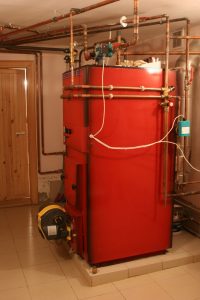 In general, we don’t recommend that you attempt to troubleshoot a boiler on your own, and certainly don’t believe the average homeowner should attempt to make repairs to a hot water boiler. This could be dangerous, and time-consuming when you don’t know what to look for. Technicians with the proper training can come to your home and make a quick assessment with all the tools they need to do so.
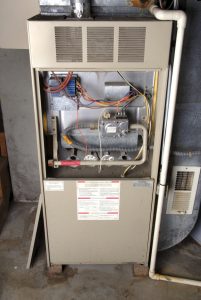 There are some things you own that you may replace well before they fail on you. For instance, you might replace your smartphone with the latest and greatest model primarily to take advantage of the camera. You replace your furniture even though it’s still in decent shape just to get a better color or upholstery.
 Heating systems have improved in many ways since we first became a company in 1912. The most noticeable and needed improvement has been in terms of safety. Today’s heating systems don’t even require you to keep a pilot light lit. They can ignite themselves with electronic ignition systems, and only when the thermostat calls for heat.