
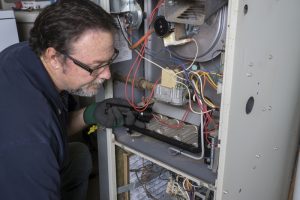
 We’re going to take a wild guess and say that if you’ve found yourself reading a blog post about heating installation in January, it likely means that you are pretty desperate to get some reliable heat in your home, ASAP! However, this really isn’t a service you want to rush. As important as it is to find the right heat for your home, you should also trust the team that is doing the job.
And no, you can’t just install your heater on your own.
Okay, well you probably could, but we can’t guarantee that you’d be able to do so as effectively or as efficiently as possible. Nor can we promise your safety, particularly in the case of a gas-powered heater.
Keep reading as we dive into the work that goes into a furnace installation. We’re sharing this with you not so you’ll try to install your heater by yourself, but so that you see why it is so important to hire a pro!
 The holiday season can leave a lot of us looking for ways to save money. This might tempt you to use your heater as little as possible so that you don’t have to worry about high energy bills. Affordable energy bills, after all, will make a huge difference to your budget!
 We know, we know. The title of this blog post makes it seems like gas furnaces are inherently dangerous. This is simply not true. What is true, however, is that if you don’t properly care for your gas furnace, it can become dangerous. Why is this? Well because gas lines can leak, and when a furnace isn’t well-maintained or if the damage isn’t repaired, it’s more likely for this to occur.
 Boilers are one of the most efficient and effective heating systems on the market, and when you live somewhere like the Chatham area, efficient and effective is exactly what you need to stay comfortable! But just like any other heating system, your boiler won’t last forever. If you keep it professionally maintained–you should be scheduling maintenance once a year for this system–and keep up with repair needs, you can count on your boiler lasting about 20 years.
 Many homeowners in our community are beginning the heating season by turning on their powerful furnace systems. Furnaces produce heat by either burning gas or creating electrical resistance that heats up the air. The first time your furnace heats up the air for the season, you might encounter some strange events. From noises to odd smells, a furnace can go through some growing pains every season, and we want to be the team to walk you through them.
 Imagine waking up on a frigid January morning. Your radiator is cold. There is no hot water for the shower. Your old boiler has finally quit. This could be avoided if you keep an eye on its age and replace it before it breaks down.
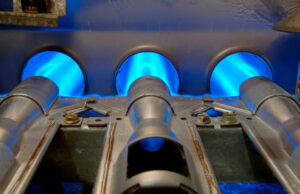 One of the goals most homeowners have is to save money on their heating and cooling costs. And we get it! After all, using your furnace can get expensive, especially considering how much you actually need it in our climate. The good news is, there are a lot of ways you can use your furnace efficiently and spend less. One of these ways is to completely shut down the system during the late spring and summer season, when you don’t need it.
 No matter what type of heating system you have, it can only operate as efficiently and effectively as it is supposed to if it is properly cared for. Boiler systems are no exception! They should be installed, repaired, and maintained by highly trained and experienced heating professionals so they can function as they’re meant to.
 It may seem really odd to call this the “end of the season” with the chillier temperatures we have had lately. But you know as well as we do that spring is right around the corner, and heat and humidity can come down on us much quicker than we expect. But before you call us for AC maintenance (which you can do any time!) it’s time to address your heating system needs.
 We heard it from Punxsutawney Phil himself—we have six more weeks of winter ahead! Okay, whether or not you believe in Groundhog Day predictions, the fact of the matter is that temperatures are probably going to stay chilly for a while, and you’re definitely going to need a fully functional heater to continue to keep you warm.