
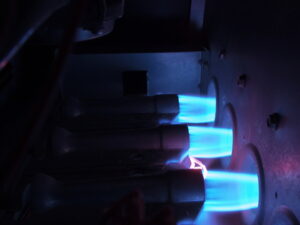
 Many homeowners in our community are beginning the heating season by turning on their powerful furnace systems. Furnaces produce heat by either burning gas or creating electrical resistance that heats up the air. The first time your furnace heats up the air for the season, you might encounter some strange events. From noises to odd smells, a furnace can go through some growing pains every season, and we want to be the team to walk you through them.
First of all, don’t hesitate to call us for furnace repair in Warren. If you think something is wrong with your furnace, even before you turn the system on for the season, then our team can help with targeted repairs. We have the training, expertise, and necessary equipment to provide fast and reliable repairs on furnace systems in our area.
For everyone else, keep reading!
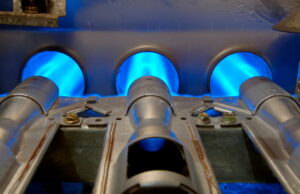 One of the goals most homeowners have is to save money on their heating and cooling costs. And we get it! After all, using your furnace can get expensive, especially considering how much you actually need it in our climate. The good news is, there are a lot of ways you can use your furnace efficiently and spend less. One of these ways is to completely shut down the system during the late spring and summer season, when you don’t need it.
  We heard it from Punxsutawney Phil himself—we have six more weeks of winter ahead! Okay, whether or not you believe in Groundhog Day predictions, the fact of the matter is that temperatures are probably going to stay chilly for a while, and you’re definitely going to need a fully functional heater to continue to keep you warm.
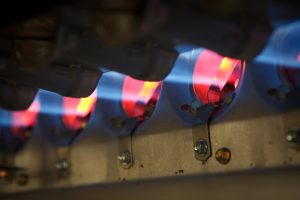 Are you worried about your heater breaking down at any given moment? If you aren’t aware of the signs that your furnace or heat pump system may need a repair, you probably are right to be concerned. It’s never fun to need heating repair, but it’s even worse when your heater just stops working altogether when you need it the most.
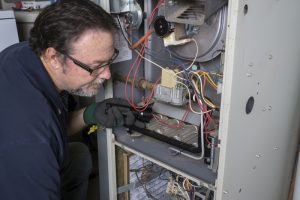 We suppose you could say our weather is fairly predictable throughout the year. But as we transition into spring, you know as well as we do we can be surprised by very warm weather, or a couple more weeks of chilly temperatures. If the former happens, you’ll likely be tempted to shut off your gas furnace for the season and not think about it again. But if you have any heating repair needs that require attention, we really urge against ignoring them or delaying them.
 We could all use a bit of extra spending money, but those monthly bills get in the way. Often, homeowners are paying a lot more than they have to on home necessities without realizing it. Some small changes to the way you use and maintain your heating system can help it to run more smoothly and reduce your monthly spending on energy and fuel costs.
 Your heater has started to act strangely, making weird noises or having trouble at startup, but you’re not sure you should get it serviced just yet. You don’t want to spend money fixing a heater that is still working, after all, and you feel you might as well wait and see what happens. But this logic is flawed: your heating system won’t fix itself!
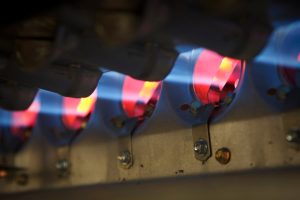 When you’re shopping around for a new furnace, you might start to develop a new vocabulary. There’s the AFUE—Annual Fuel Utilization Efficiency—that helps you determine the efficiency of your new system. And another set of terms you may see used often are as follows: “one-stage,” “two-stage,” and “modulating” furnace.
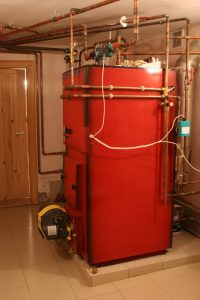 In general, we don’t recommend that you attempt to troubleshoot a boiler on your own, and certainly don’t believe the average homeowner should attempt to make repairs to a hot water boiler. This could be dangerous, and time-consuming when you don’t know what to look for. Technicians with the proper training can come to your home and make a quick assessment with all the tools they need to do so.
 When your furnace runs effectively year after year, a problem with the system comes as a surprise. Furnaces are durable, after all, but only assuming they get the service they really need year after year. Improper maintenance can be a huge contributing factor as to why a heating system experiences frequent breakdowns, although many come without warning.