
Your water heater works hard behind the scenes every day, providing the hot water you need for showers, laundry, dishes, and everyday comfort. As another busy season approaches, it is important to make sure your system is prepared to handle the increased demand without unexpected breakdowns. If you are looking for reliable solutions for water heaters in Union, our team at Max Sr & Paul Schoenwalder Plumbing, Heating, and Air Conditioning is here to help you keep your home’s hot water supply running smoothly.
Max Sr & Paul Schoenwalder Plumbing, Heating and Air Conditioning, A Corp. Blog: Archive for the ‘Water Heaters’ Category
Is Your Water Heater Ready for Another Busy Season?
Monday, August 10th, 2026The Downside of an Ill-Maintained Tankless Water Heater
Monday, August 4th, 2025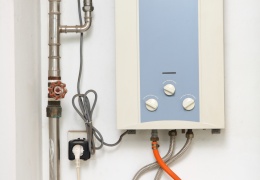
If you’ve made the switch to a tankless water heater, chances are you value efficiency, convenience, and long-term energy savings. But like any appliance in your home, it needs regular care to keep doing its job properly. If you own a tankless water heater in Union, it’s important to understand how neglecting maintenance can lead to costly and frustrating issues down the road.
What Size Indirect Water Heater Do I Need?
Monday, March 17th, 2025
How to Improve Water Heater Efficiency and Save Money
Monday, February 3rd, 2025
Your water heater works hard to provide hot showers, clean dishes, and warm water for laundry. But if it’s not running efficiently, it can drive up your energy bills and leave you with less-than-hot water when you need it most. Fortunately, there are simple ways to improve your water heater’s efficiency and save money in the long run. Here’s how.
Here’s Why A Tankless Water Heater Needs Maintenance
Monday, July 25th, 2022B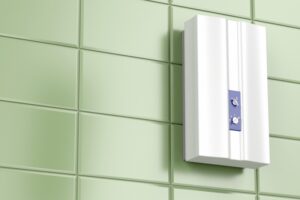 ack in May, we talked about the importance of maintenance for that one system in your home you probably take the most for granted and don’t think very much about–your water heater. What homeowners sometimes don’t realize, however, even after reading a blog post like that, is the same concept applies to tankless water heaters.
Homeowners sometimes assume that since tankless water heaters don’t actually hold water on a regular basis and therefore aren’t prone to the potential corrosion issues that tank water heaters are, they don’t need maintenance. However, there are other problems that can impact a tankless water heater, and maintenance helps ensure that those problems don’t cut down on the lifespan of your on-demand water heater. Read on to learn more!
Why Your Storage Tank Water Heater Needs Professional Maintenance
Monday, May 16th, 2022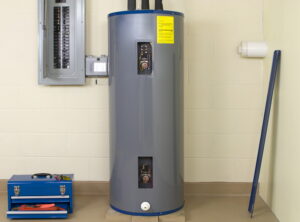 Of all the things you enjoy within your household, we’re going to guess that a warm, or even hot, shower in order to get clean and refresh is at the top of your list. This also means that there is nothing worse than being in the middle of that shower and having the water suddenly turn ice-cold.
If this has happened to you or someone in your household, then there were probably some choice words uttered before the water got warm again, if it did at all.
You should consider an event like this as a bit of a wake-up call that something is amiss with your water heater. It might be struggling with the job it’s meant to do, and if you ignore this problem, you might be stuck with a completely broken down water heater later on. But you can avoid this, with professional maintenance! Read on to learn more.
Yes a Tankless Water Heater Needs Tune-Ups, Here’s Why!
Monday, September 20th, 2021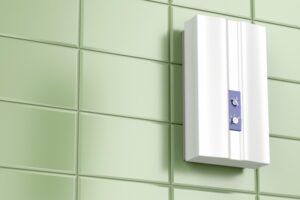 If you’ve ever had a tank water heater system in your home, then you know it’s big, pretty noticeable, and in some cases can even be a bit noisy. In other words, it’s pretty hard not to pay attention to it. You also probably know that a tank water heater needs maintenance. What you might not know is that if you have a tankless system, it too needs a tune-up.
Scaling, or the buildup of mineral deposits, can have a negative impact on the unit, causing problems with water pressure, temperature, and even potential corrosion. They need occasional flushing to resolve this problem. So, yes, a tankless water heater needs a tune-up!
The maintenance that’s done to a conventional tank water heater is actually pretty similar to what needs to be done for a tankless system. Read on to learn more!
The Importance of Water Heater Maintenance
Monday, May 17th, 2021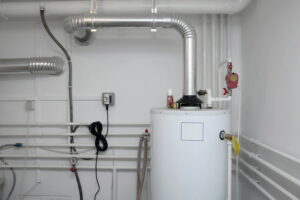
If you have a water heater in your home, and let’s face it, what modern home doesn’t have one of these systems, then you’ve probably been told by a plumber that at some point, you’re going to need maintenance! Perhaps you’re wondering why this service is important, or even necessary. The answer to this is summed up in one word, scaling.
Regular maintenance by experienced professionals helps maintain your water heater, extend its lifespan, and avoid potential issues.
You’ve likely heard the term hard water before, right? Hard water is water that has a high level of minerals in it, namely calcium, magnesium, and iron. For most people, these minerals are totally harmless to ingest. However, they are not so harmless for your plumbing system, because the minerals leave deposits behind, which is what’s known as scaling.
Preventive maintenance can help determine if your water heater needs repair or replacement, and it helps identify potential issues before they become serious. The decision to repair or replace a water heater depends on several factors, including the age of the unit, repair costs, and your household’s specific needs.
Scaling can negatively impact your water heater more than any part of your plumbing system (though, it’s not great for any part of your plumbing system!) While you can easily clean scale off of a faucet or a drain opening, that doesn’t do much for the pipes, or for your water heater’s interior. Professional water heater services often include maintenance programs designed to extend the lifespan of your unit and avoid potential issues. Regular maintenance can also reduce the need for frequent repairs and help maintain system efficiency.
Replacing a hot water heater is an important investment to ensure consistent hot water and to avoid potential issues like leaks or inefficiency. Read on to learn more!
Introduction to Water Heaters
Water heaters are an essential appliance in every home, providing the hot water needed for everything from morning showers to washing dishes and keeping your home clean. A reliable hot water heater is the backbone of your plumbing system, ensuring you always have access to hot water when you need it most. When considering water heater installation, homeowners typically choose between two main types: traditional tank water heaters and tankless water heaters.
Traditional water heaters, also known as traditional tank water heaters, have been a long-standing and popular choice for many households due to their affordability and reliability. They work by storing a large amount of hot water in a tank, ready for use at any time, and are available in various sizes to match your household’s hot water needs. Traditional water heaters can offer low operating costs and high energy efficiency, with some models even earning the Energy Star certification. As a cheaper upfront option compared to tankless models, they are often chosen for their cost-effectiveness and ease of installation in many homes. This system is tried and true, offering a steady supply of hot water for households with consistent demand.
On the other hand, tankless water heaters, sometimes called on-demand water heaters, heat water only when you need it. Tankless units are compact and can be installed in various locations, freeing up considerable space in your home. Upgrading to tankless water heating offers a sustainable solution for environmentally conscious homeowners, as these systems reduce energy consumption and decrease greenhouse gas emissions. This means you can enjoy endless hot water without waiting for a tank to refill, and benefit from greater energy efficiency since the unit isn’t constantly working to keep a large tank of water hot.
Choosing the right water heater for your home depends on your household’s hot water needs, available space, and budget. Tankless water heaters are often more energy efficient and take up less space, while traditional tank water heaters can be more cost effective upfront and are easier to install in some homes. No matter which type you choose, proper water heater installation and regular maintenance are key to ensuring your system remains reliable and efficient for years to come. By understanding the benefits of each type and how they fit into your home’s plumbing system, you can make an informed decision when it’s time to invest in a new water heater.
Types of Water Heaters
When it comes to ensuring a steady supply of hot water in your home, choosing the right water heater is essential. There are several types of water heaters available, each offering unique benefits and features to suit different needs and budgets.
Traditional tank water heaters are a popular choice for many homeowners. These units feature a large tank that stores and heats water continuously, so you always have hot water ready for your next shower or load of laundry. Tank water heaters are often more affordable to install and can be a cost-effective solution for homes with consistent hot water demand. They are available in various sizes to accommodate different household needs, and many models use natural gas or electricity as a fuel source. Some traditional tanks are equipped with a brass drain valve, which helps with maintenance and extends the life of the unit by providing a durable, corrosion-resistant way to drain sediment. Common residential natural gas water heater options include 40-gallon or 50-gallon tall units priced between $600 and $900. The cost to replace a water heater can vary widely based on the type of water heater, its capacity, and the complexity of the installation.
Tankless water heaters, also known as on-demand water heaters, heat water only when you need it. This means you can enjoy endless hot water without waiting for a large tank to refill. Tankless water heaters are highly energy efficient, as they eliminate the standby energy losses associated with keeping a tank of water hot at all times. Their compact, wall-mounted design takes up less space, making them ideal for smaller homes or apartments. While the installation cost of a tankless water heater can be higher than a traditional tank, the long-term energy savings and lower energy bills often make them a smart investment. Tankless water heater installation should always be handled by experienced professionals to ensure safety and optimal performance. Max Sr & Paul Schoenwalder Plumbing, Heating and Air Conditioning, A Corp. offers post-purchase rebates for ENERGY STAR certified units, including $500 for qualifying tankless water heaters. Tax rebates may also be available for efficient water heaters, which can help offset the replacement costs.
Hybrid heat pump water heaters are another energy-efficient option. These systems use heat from the surrounding air to heat water, significantly reducing energy consumption and lowering utility bills. Hybrid models are especially effective in climates where the ambient air temperature is moderate, and they can offer substantial energy savings over time. While the upfront installation cost may be higher, the long-term benefits in energy efficiency and lower operating costs can make them an attractive choice for eco-conscious homeowners. Hybrid heat pump water heaters are extremely energy-efficient electric options available for roughly $1,800. Max Sr & Paul Schoenwalder Plumbing, Heating and Air Conditioning, A Corp. offers post-purchase rebates for ENERGY STAR certified units, including $750 for heat pump water heaters. Under the Inflation Reduction Act, a tax credit of 30% (up to $2,000) is available for heat pump water heaters.
When selecting a new water heater, it’s important to consider factors such as energy efficiency, installation cost, available space, and your household’s hot water needs. For example, tankless water heaters are ideal for families who need endless hot water and want to save space, while traditional tank water heaters may be more suitable for those looking for a lower upfront cost. Hybrid heat pump water heaters are perfect for homeowners focused on maximizing energy savings. Preparation for water heater replacement requires measuring the existing unit and ensuring the new unit meets local codes. The working space in front of a water heater must be at least 30 inches by 30 inches. If the new water heater is installed in a finished area, a drip pan is required to prevent water damage from leaks. New Jersey plumbing code generally requires the installation of an expansion tank to manage high pressure. In New Jersey, all municipalities require a plumbing permit for water heater replacement, and replacing a water heater in Union City, NJ requires a plumbing permit and installation by a licensed professional. Installing a water heater generally requires compliance with New Jersey safety standards.
No matter which type you choose, regular maintenance is essential to extend the lifespan of your water heater and avoid potential issues like leaks, discolored water, or significant water damage. Reliable water heater services, including installation, repair, and routine maintenance, are key to keeping your system running efficiently. If you notice frequent repairs, discolored water, or leaks, it may be time to consider replacing your unit with a more energy-efficient model.
In areas like Jersey City, experienced professionals can help you determine the best type and size of water heater for your home, handle the installation process, and ensure your system meets all local permit requirements. Whether your water heater is installed in the garage, basement, or mounted on a wall, easy access for maintenance and repair is important. Creating a maintenance schedule and following manufacturer guidelines will help you maintain a reliable supply of hot water and save money on your energy bills. Hiring professional water heater installation services ensures compliance with local codes and safety standards. Professional services provide warranties and guarantees on their work, offering peace of mind to homeowners. Professional plumbers have the necessary tools and expertise to handle complex installations in difficult locations. DIY replacement of a water heater can save money, but it requires proper tools and knowledge of plumbing and gas connections. DIY water heater installation can lead to mistakes that may result in costly repairs or safety hazards.
By investing in the right water heater and prioritizing regular maintenance, you can enjoy the benefits of efficient, reliable hot water for years to come. If you have questions about water heater installation, replacement, or maintenance, don’t hesitate to contact an experienced professional for guidance and service.
The total cost for water heater replacement in New Jersey typically ranges from $1,700 to $4,000 as of 2025. The average cost for water heater installation ranges from $1,500 to $3,500 depending on the type and size. Installation labor for a standard tank water heater in New Jersey usually costs between $200 and $1,000. Max Sr & Paul Schoenwalder Plumbing, Heating and Air Conditioning, A Corp. offers all-inclusive water heater replacement packages starting around $1,650 to $1,860.
5 Signs of a Worn Out Water Heater
Monday, April 19th, 2021 It doesn’t matter what time of the year it is in our area, or what the outdoor temperatures are—there is one particular home comfort system that you need each and every day, and that you likely take for granted. What is it? Your water heater.
Consider the amount of strain this system gets put under, day after day. It works 365 days a year! Therefore, you shouldn’t be surprised if every now and then it has a malfunction or repair need. At some point, it’s very likely you’ll have to call a professional for repairs. But how do you know when it’s time to do so? Well, we’ve shared a few signs below.
Signs of a Worn Out Water Heater
Monday, July 30th, 2018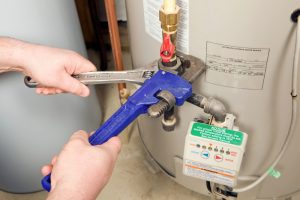 Water heaters are designed to last a very long time, so long as you properly take care of them. However, no water heater will last forever. Occasionally you will need Union, NJ water heater repair, and eventually, replacement. And chances are, you’d like to replace your water heater before it gives up on its job completely and you’re left without hot water for hours, possibly even days.
If you’re unsure of whether or not your current water heater is in good shape, the best thing you can do for the system is call in a pro to take a look at it for you. In the meantime, we’ve shared some guidelines below that your system is struggling and potentially worn out to the point that it requires replacement.